
The Artistic Journey Through Time
Album cover art has long served as a visual companion to the music, evolving through decades with shifts in culture, technology, and artistic expression. From the vibrant designs of the 1960s to the dynamic graphics of the 2000s, each era of album art tells its own unique story.
The 1960s and the Birth of Visual Culture
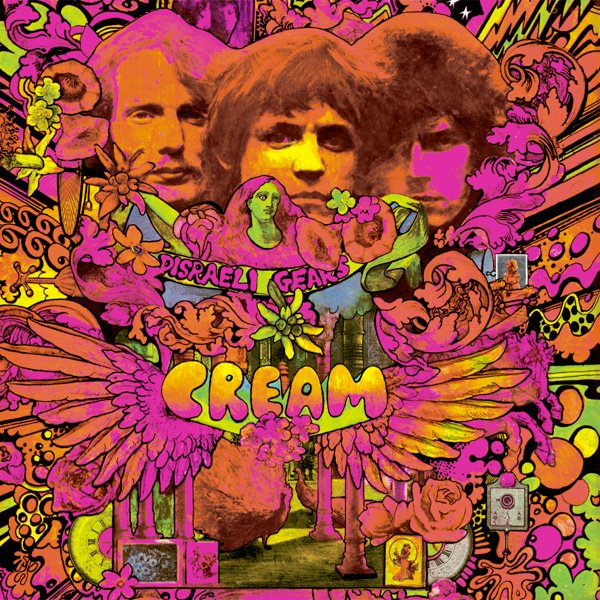
The 1960s marked a revolutionary period for album covers that coincided with the counterculture movement. Iconic bands like The Beatles and The Rolling Stones broke conventional design boundaries. Their albums featured bold colors, psychedelic artwork, and experimental designs that resonated with the music of the time. The emphasis on visual art in this decade not only reflected societal changes but also explored the depths of human emotion and creativity.
The Transition Through the 70s to the 2000s
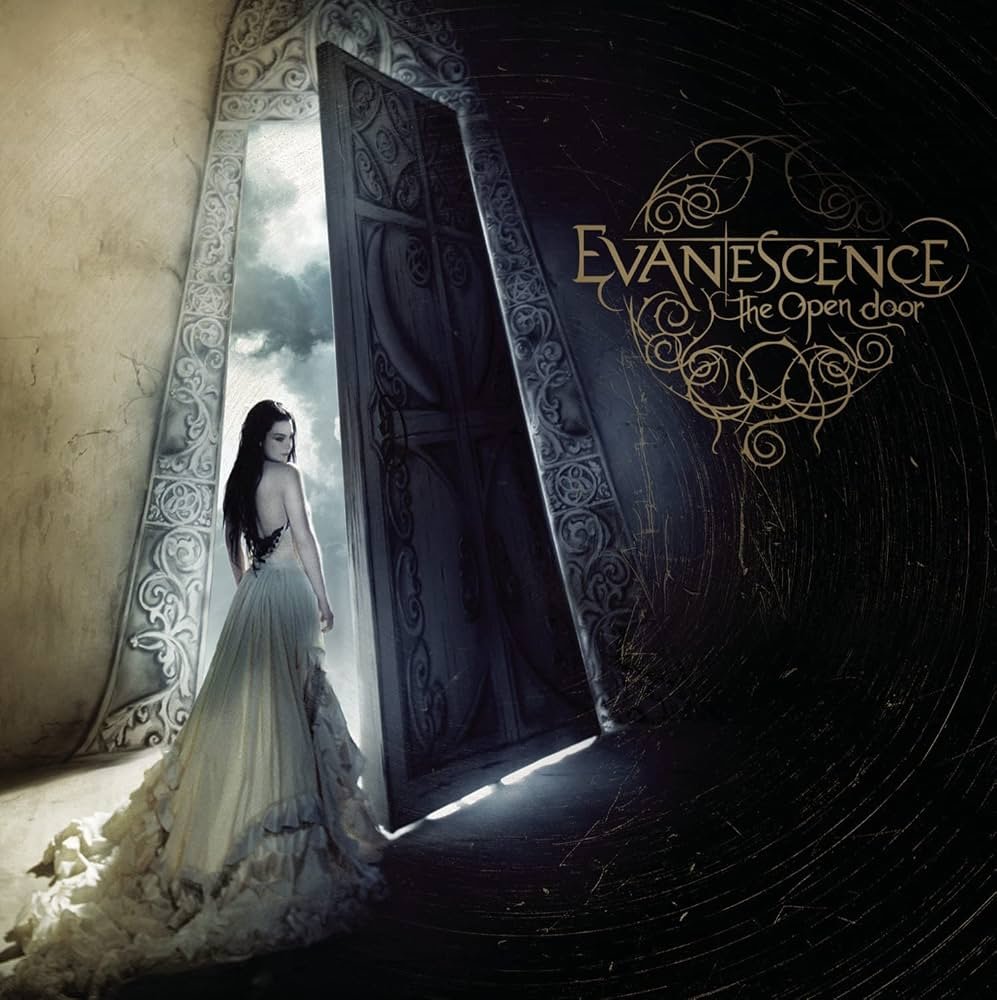
As music evolved through the 70s, 80s, and into the 2000s, so too did album cover designs. The 70s and 80s saw a trend toward more photographic imagery and the incorporation of emerging digital techniques. Iconic covers such as Pink Floyd’s “The Dark Side of the Moon” or Michael Jackson’s “Thriller” captured the essence of their respective eras. The 2000s further embraced digital manipulation, leading to a blend of photography and graphic design that pushed the boundaries of creativity.
Reflecting Cultural Shifts Through Art
Throughout these decades, album covers have not just served as a promotional tool but as vital cultural artifacts. They provide a glimpse into the artistic movements and societal values of their time. From the vibrant and rebellious spirit of the 60s to the polished and diverse aesthetics of the 2000s, album art remains an essential medium of expression in the music industry.
Deixe um comentário