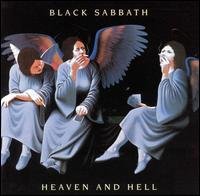
The History of Album Cover Art
Album cover art has played a crucial role in the music industry since the 1960s. Initially, records were packaged in simple paper sleeves, but as the music scene evolved, so did the visual presentation of music. Artists and designers began to understand that an album cover not only represents the music inside but also serves as a powerful marketing tool.
Changes Through the Decades
Starting from the vibrant and psychedelic designs of the 60s, album covers became canvases for artistic expression. The 70s saw the rise of bold graphics and photography, reflecting the cultural movements of the time. By the 80s, the introduction of digital technology transformed the way covers were created, allowing for more imaginative designs. The 90s continued this trend, pushing the boundaries with emerging styles like grunge and pop art influencing the visual identity of music. Finally, the early 2000s brought a new era of digital imagery, as technology provided various tools for artists to craft eye-catching designs.
The Importance of Visuals in Music
Album cover art is not just decoration; it tells a story and sets the tone for the music experience. It connects the listener with the emotions and messages conveyed in the album. As such, exploring the evolutionary path of album covers reveals much about our changing cultural landscape and the role of art in music.
Deixe um comentário